

Living Water to Share
Baylor engineering students have begun the journey of designing clean water systems using locally sourced materials for a community in Kenya and beyond.
Every morning before sunrise, a grandmother in the arid hills near Maai Mahiu, Kenya, begins her day the same way she has for most of her life: collecting water. In this dry region, where rainfall is inconsistent and waterborne illness is prevalent, every drop is precious — and hard-won. The long walk to gather enough water for cooking, cleaning, and bathing feels like a fraction of the return trip when not-so-young shoulders must bear the weight of containers full of the heavy and not-so-clean water needed to survive.
This summer, a team of Baylor engineering students helped lighten that load.
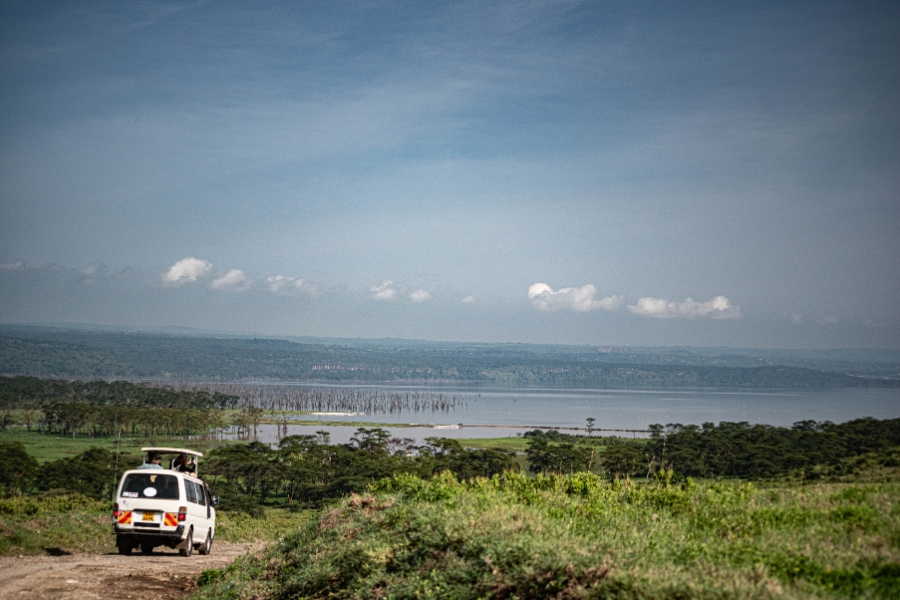
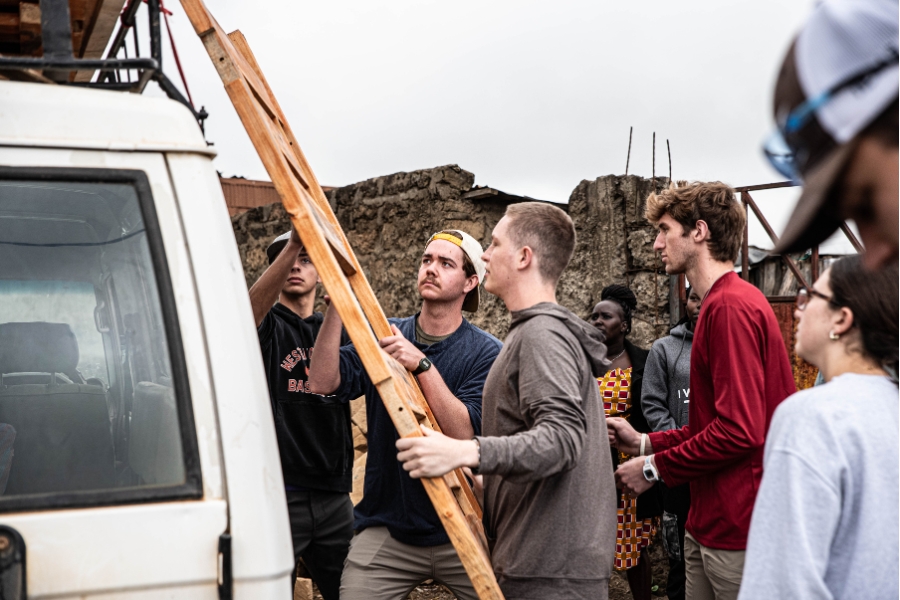

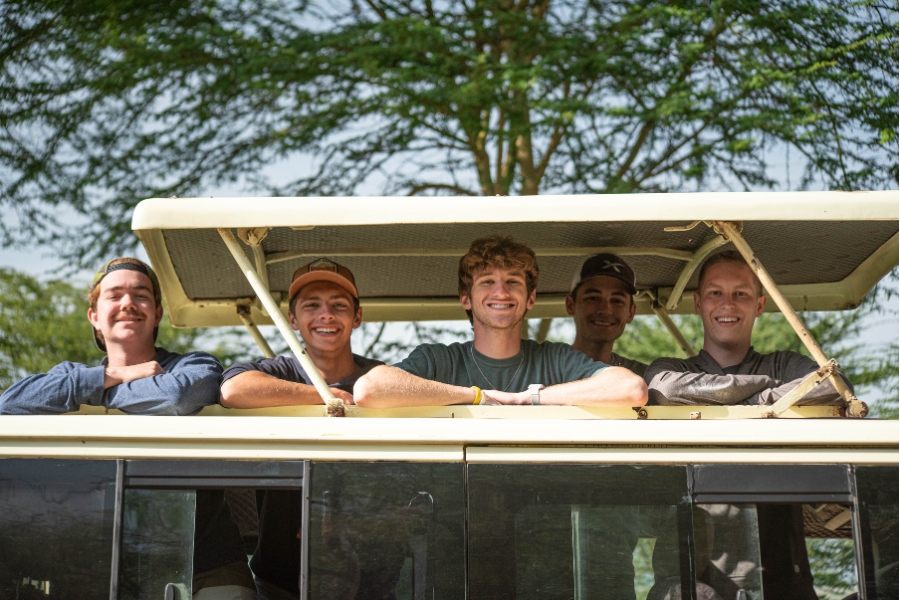
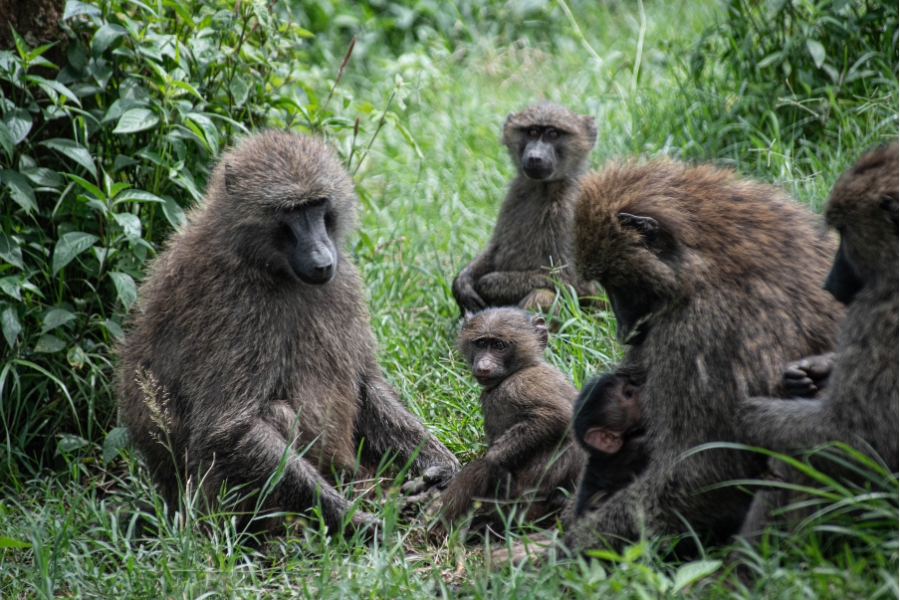
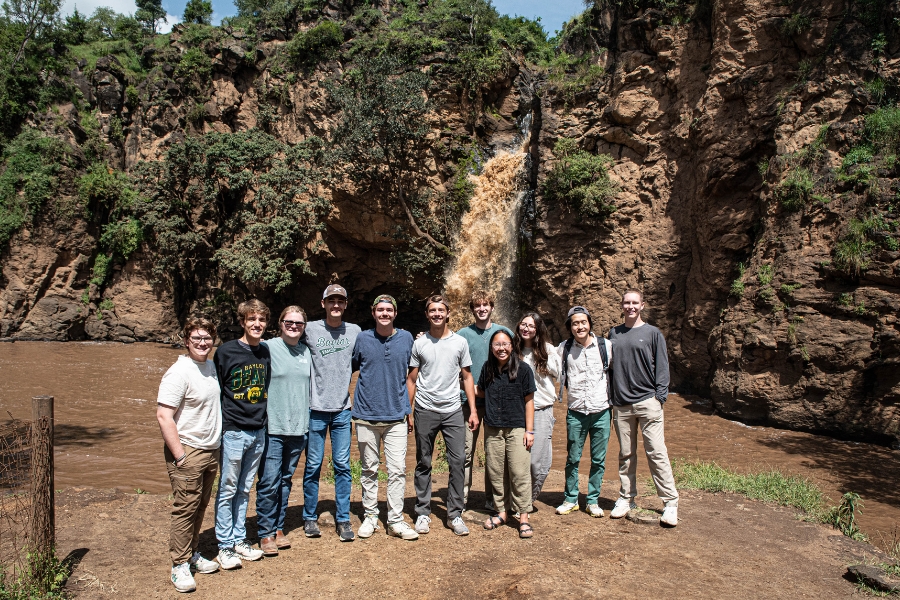
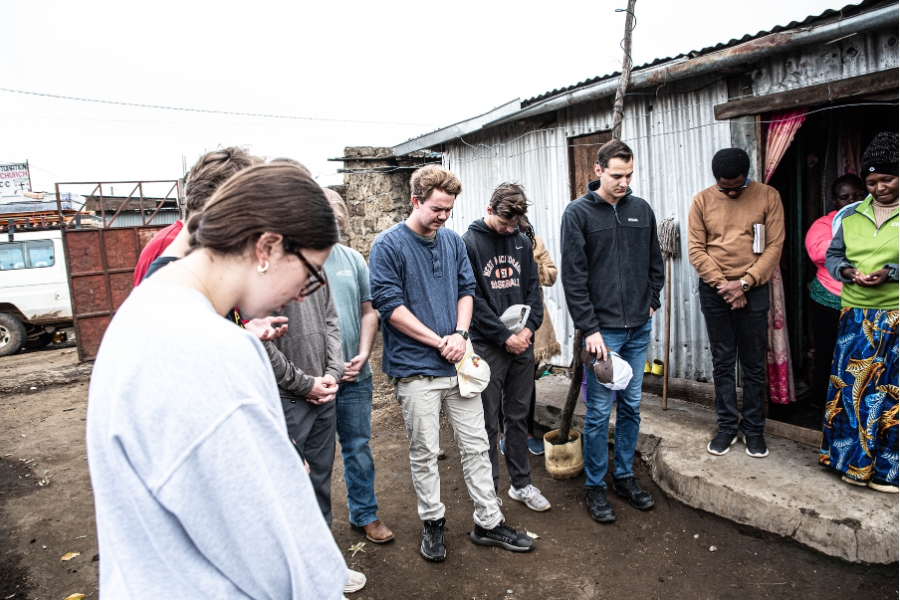

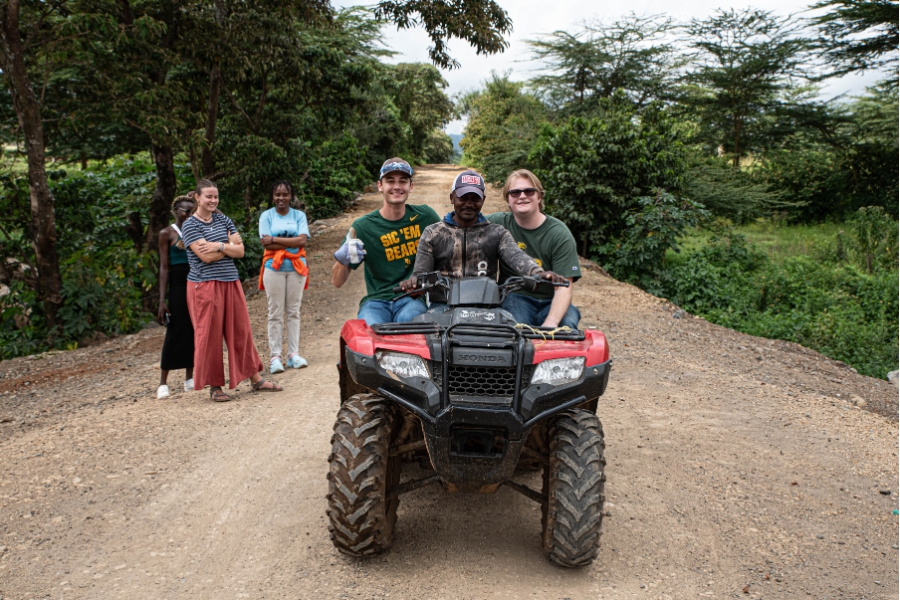



All photos were taken by Min Pack, Ph.D.
Part of a Baylor Missions interdisciplinary trip serving the children of and community around Naomi’s Village, a children’s home and school founded by Baylor alumni Dr. Bob and Julie Mendonsa in Kenya’s Great Rift Valley, the students helped local staff build a rainwater catchment system at this grandmother’s home, complete with gutters, pipes, and rain barrel. The system now allows her to collect and store rainwater when showers come — freeing her from daily treks and offering better access to cleaner water for cooking, bathing, and caring for her grandchildren.
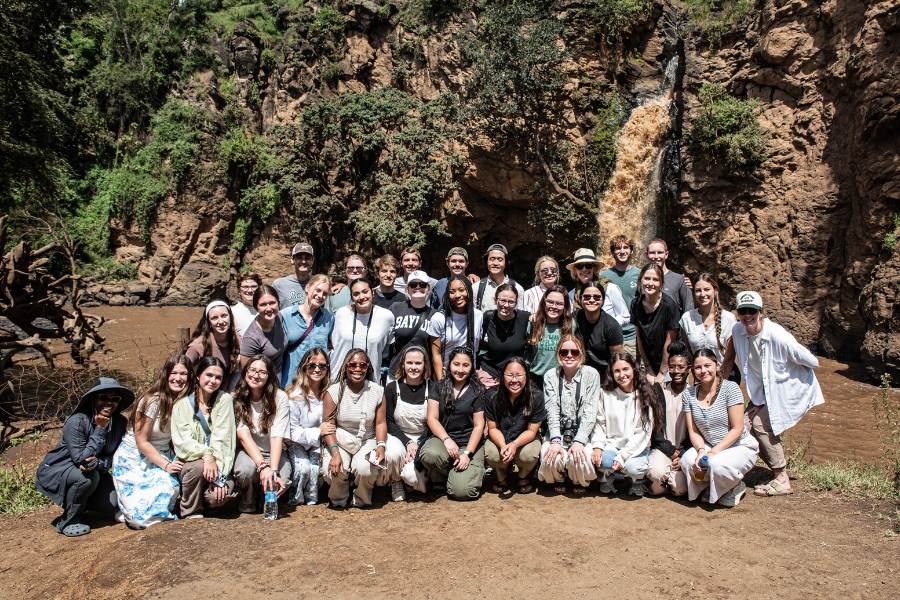
While the ability to collect and store fresh water is clearly a lifeline, for Min Pack, Ph.D., assistant professor of mechanical engineering, and the ten students from his Humanitarian Engineering course who accompanied him to Kenya, it’s only the crucial first step in a long-term goal: designing and implementing sustainable water-purifying solutions using local natural resources, resources like the very sand that grandmother once had to tread to collect her daily water supply. In fact, designing and testing the viability of a 3D-printed water biosand filter built entirely out of locally sourced clay and sand was the main mission of this trip for the engineering team.
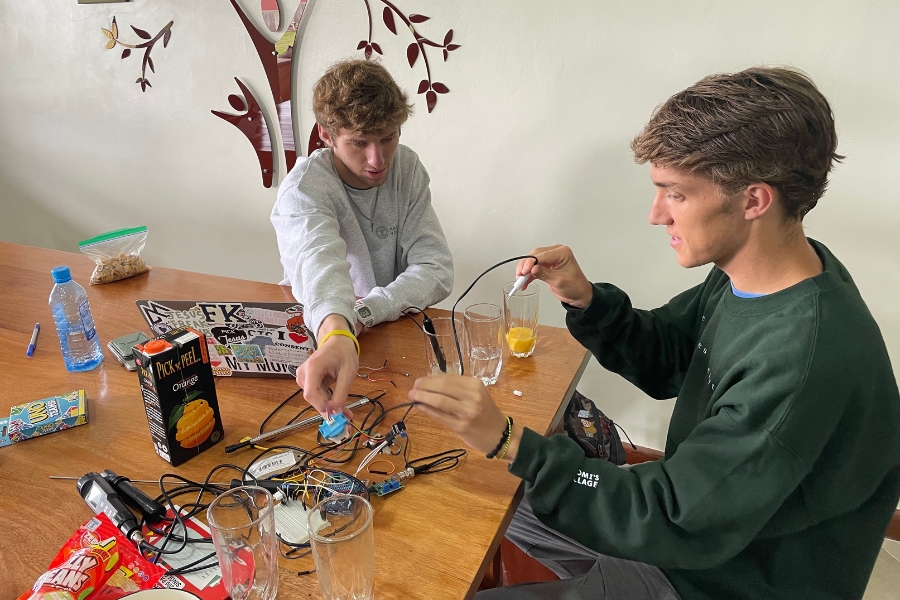
In the Spring semester leading up to the trip, Pack’s students worked in teams on developing three distinct research projects aimed at addressing real needs in Kenya: a biosand water filter using locally sourced clay, water quality sensors to monitor potability, and a mechanized sifting device to help process sand for filtration systems.
“We weren’t just going to serve in a short-term capacity — we were going to test real engineering solutions,” Pack explained. “It was research, teaching, service, and mission all at once.”
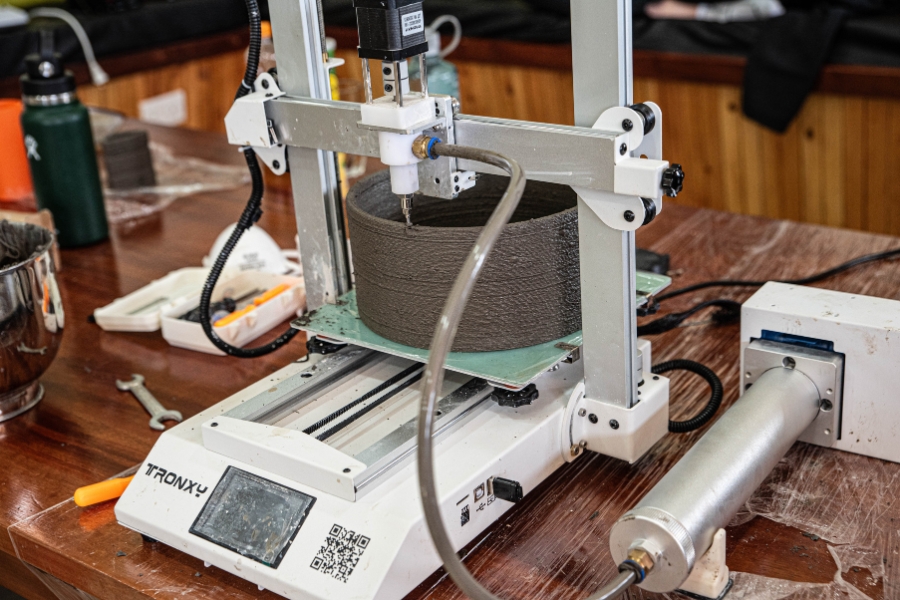
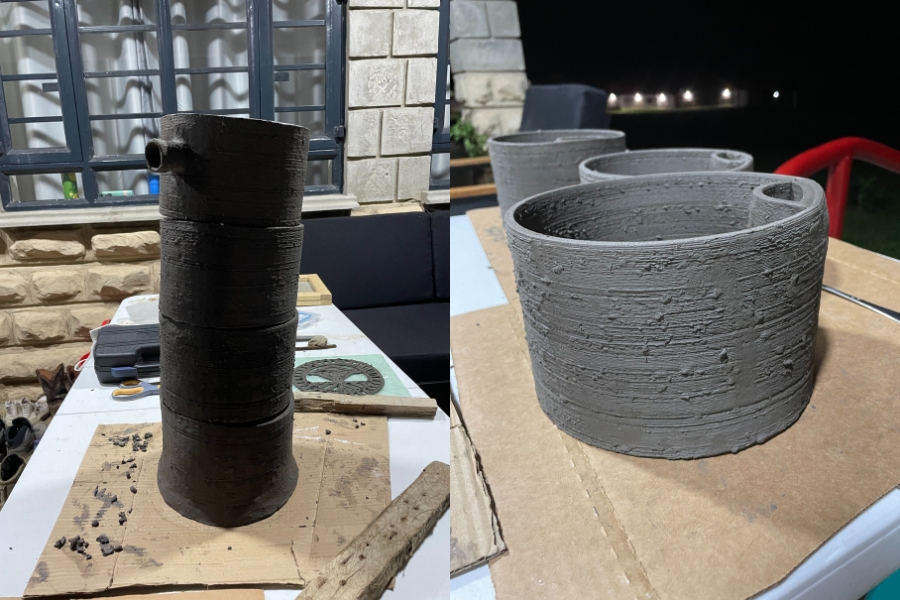
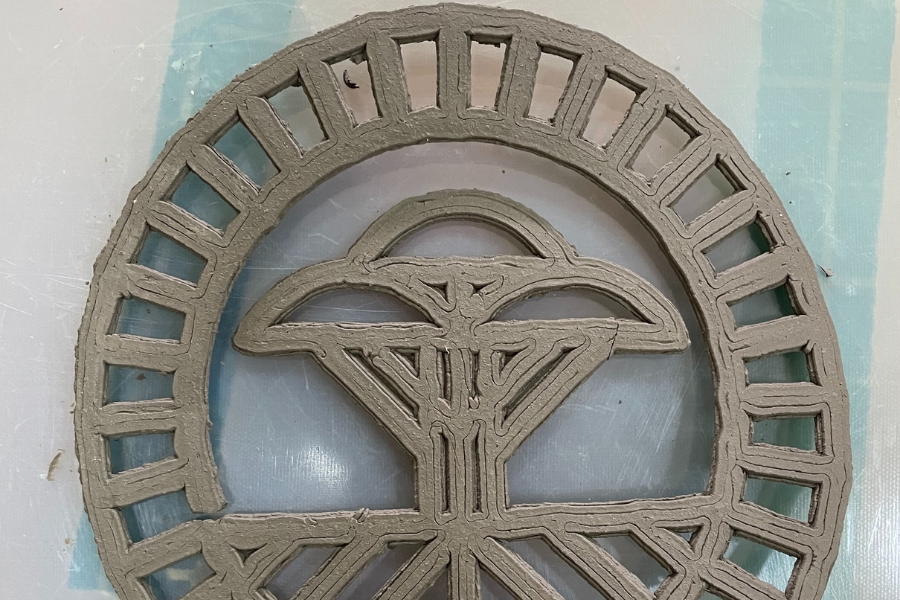
For the production of the biosand filter, the team brought a 3D printer to Kenya to test whether local clay could be used to create modular, sustainable water filters. Though they didn’t have time to complete the filtration process in the two weeks they were on site (it takes at least four weeks for the clay’s biofilm to mature), they succeeded in printing the filter’s sections using Kenyan clay — a big win toward laying the groundwork for future implementation.
“These filters have the potential to last many years and dramatically reduce waterborne illness,” Pack said. “This trip was our proof of concept. Next year, God willing, we’ll get to go back, refine the filtration system, and put it and others to use on behalf of the community around Naomi’s Village.”
It’s one of several projects — mostly around technology for cleaner water, air, and energy — he’s already brainstorming for future trips.
But for Pack, it’s not just about solving technical problems — it’s about preparing students to live out their faith through hands-on service.
“Students can research and build in a lab, but something changes when they’re on the ground — when they look someone in the eye and realize their skills can bless a family,” Pack said. “That’s when engineering becomes personal. That’s when it becomes ministry.”
That opportunity is what drew Zach Schaffer, a junior mechanical engineering student from Anchorage, Alaska, to study engineering at Baylor.
“I’ve always wanted to make a difference in the world, to see how I could use the skills I was learning for the good of others,” he said. “This trip really confirmed for me that engineering can be a powerful way to serve.”
Sometimes service looks like sifting hundreds of pounds of sand by hand to ensure the correct grain size is used in the filtration system to effectively trap bacteria and even viruses — providing cleaner water for children and families. Schaffer’s team helped gather sand from local river beds, experimented with grain sizes, and assembled filter components alongside local workers.
“I never knew sand was so complicated,” he said with a laugh. “But now I understand how something that small can have a big impact.”
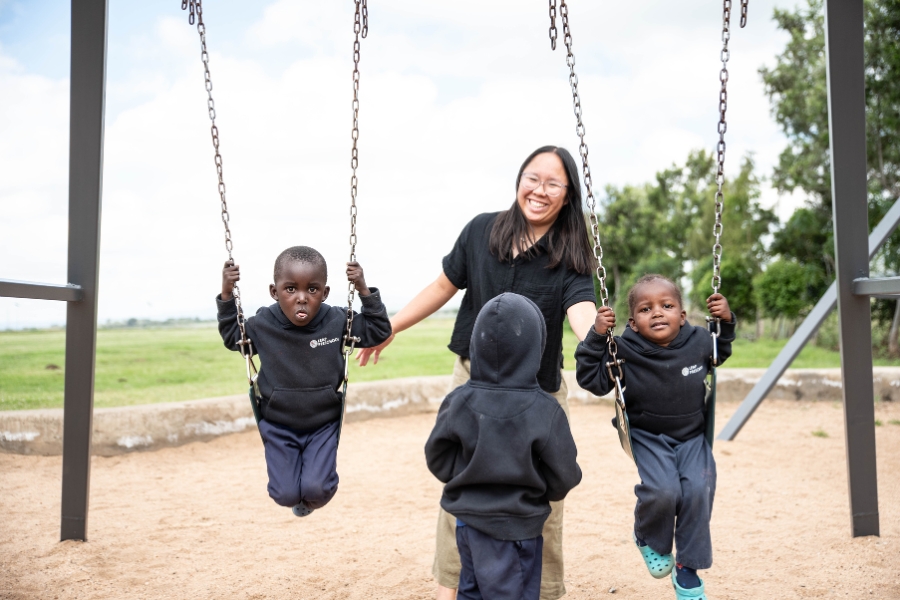
Beyond the engineering work, the students shared meals, laughter, worship, games, and bunkbed building with the children of Naomi’s Village. For Pack, those moments are just as meaningful as the technical victories.
“Our students saw what joy looks like even in hardship,” Pack said. “They were reminded that real fulfillment comes not from what we accumulate, but from Christ and the people we are able to serve in His name.”
It’s a lesson Pack plans to continue to deliver through research projects that engage students in humanitarian design, plainly illustrating that they don’t have to choose between a career in engineering and a calling to serve.
For the grandmother whose life is now a little easier, that calling has already made a difference.
And for the students who spent two weeks building systems and sharing stories, the impact will ripple long after the dust has settled — like clean water flowing through a well-designed filter, steady and life-giving.