

BSBME: Biomedical Engineering
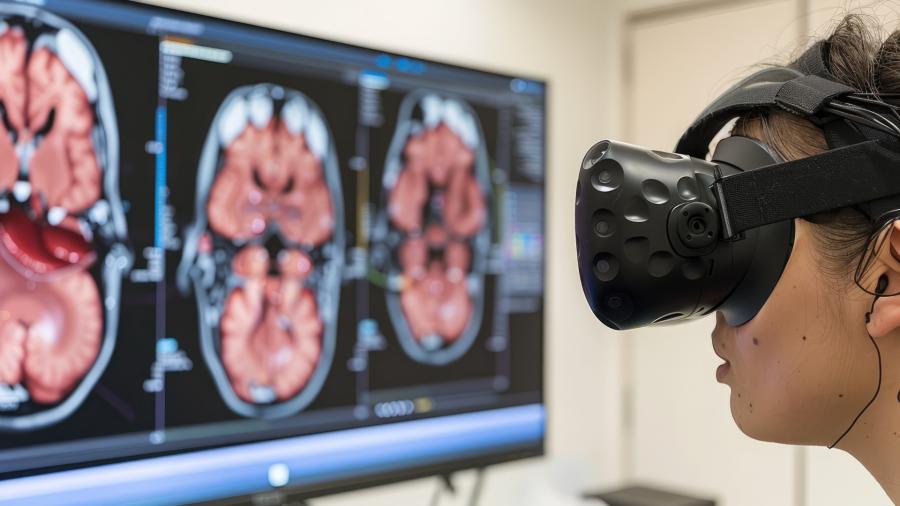
The Bachelor of Science in Biomedical Engineering (B.S.B.M.E.) degree program strategically positions Baylor to meet the growing workforce demand for biomedical engineers in Texas and nationwide, while strengthening and expanding the university’s engineering and related programs. Building on established strengths in electrical and computer engineering and mechanical engineering, the program leverage existing faculty expertise and coursework to enable efficient and sustainable implementation. By expanding high-demand academic offerings, the B.S.B.M.E. program broadens career pathways for engineering graduates and further advances Baylor’s mission to prepare men and women for worldwide leadership and service in a rapidly evolving biomedical and healthcare technology sector.
The demand for biomedical engineers continues to grow in Texas and nationwide, driven by advances in healthcare technology, medical devices, and data-enabled medicine. According to the U.S. Bureau of Labor Statistics, employment of bioengineers and biomedical engineers is projected to grow approximately 5 percent from 2024 to 2034 with an estimated 1,300 annual job openings nationally over the next decade, which is faster than the average for all occupations. Career outcomes in biomedical engineering are strong. As of May 2024, the median annual wage for bioengineers and biomedical engineers was $106,950. This combination of sustained workforce demand and competitive compensation underscores the value of the proposed program and positions biomedical engineering as an attractive, high-impact pathway for students seeking to apply engineering expertise to healthcare innovation.
This program equips students with a rigorous biomedical engineering education grounded in a Christian worldview, while positioning Baylor to advance research, innovation, and economic development in a field of national importance. Because it is a new program, our Biomedical Engineering program is not currently ABET accredited. Programs must graduate an initial cohort before requesting review. If the review is successful, accreditation may be applied retroactively so those first graduates are recognized as having completed an accredited program.
Concentration Options
Students must select one of the options below and complete four courses within the concentration.
Biomedical Imaging and Instrumentation
Medical Devices
Biomechanics and Biomaterials
Pre-health
Visit this page for courses within each concentration.
View the flowchart for 2026-2027.
Related Content
Baylor University Announces New Biomedical Engineering Undergraduate Degree
Read about Biomedical Engineering Advances at Baylor in ECS Magazine
Meet ECS Faculty working in Biomedical Engineering and related fields
New ECS Professor Hits the Ground Running with Unique Biomedical Engineering Projects